If you've been sitting on a cool implementation story, now's the time to act because the call for participation for TrailblazerDX 2026 is officially open. The window stays open until February 13, 2026, so you've got a bit of time to get your thoughts together, but I wouldn't wait until the last minute.
Why you should speak at TrailblazerDX 2026
Look, I know what you're thinking. "I'm just doing my job, is this really worth a session?" The answer is usually yes. In my experience, the things we think are routine are often the exact problems someone else is currently stuck on. TrailblazerDX 2026 is the place where we get past the marketing slides and actually talk about how stuff works.
Who they want to hear from
Salesforce is looking for practitioners who are actually in the weeds. This isn't just for veteran architects or engineers. If you're an admin who built a complex automation or a dev who just figured out a better way to handle integrations, you're a candidate. Here's who should think about submitting:
- Admins doing heavy lifting in Flow, data, or AI.
- Developers building on the platform, Slack, or MuleSoft.
- Architects designing cross-cloud or data architectures.
- Technical leads with real-world patterns and "don't do what I did" stories.
Choosing your session format
You've got two main options here. First is the 40-minute Breakout. This is for the deep dives. You'll want to plan for about 30 minutes of talking and 10 minutes for Q-and-A. It's great for architecture walkthroughs and technical deep dives for TrailblazerDX 2026.
Then there's the 20-minute Theater session. These are fast and punchy. They're perfect for a quick demo or a specific technical tip. I've seen teams get a lot of value out of these because they're so focused and easy to digest between larger sessions.
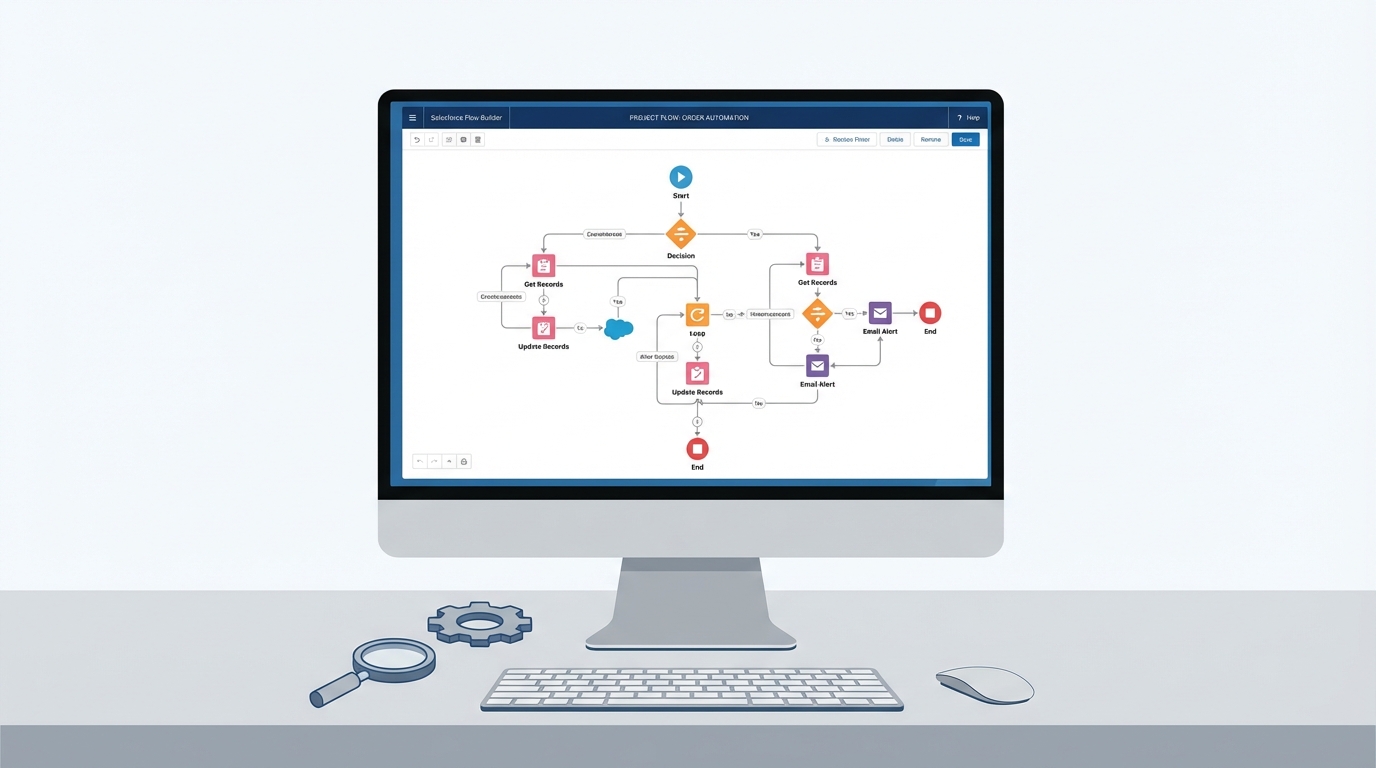
A realistic screenshot of a Salesforce Flow Builder canvas showing a complex automation workflow with various logic nodes and connectors.
How to nail your TrailblazerDX 2026 submission
So how do you actually get picked? The reviewers want to see implementation depth. Don't just talk about what a feature does-show us how you used it. If you're talking about Agentforce, don't just show the setup; talk about architecting for scale or how you handled the data grounding.
"The best sessions I've attended always include a 'what went wrong' slide. Nobody's project is perfect, and hearing about the trade-offs you made is way more helpful than a polished demo that ignores real-world constraints."
Here's the thing: you need to be specific. Instead of "How to use Flow," try "How we used Flow to solve a 50-step manual process." It's about the "how" and the "why." If you're debating whether to use code or declarative tools for your session topic, check out this guide on Apex vs Flow to help frame your argument.
Important dates to remember
Keep these dates on your radar so you don't miss the window. They do rolling pre-acceptances, so getting in early can actually give you a slight edge.
- December 10, 2025: CFP opened.
- February 13, 2026: CFP closes.
- March 2026: Final decisions go out.
What happens if you're accepted?
If you get the nod, you aren't just thrown on stage. Salesforce provides quite a bit of support. You'll get coaching, content development help, deck reviews, and a complimentary speaker pass. Plus, you get added to a private Slack channel with other speakers. It's a great way to meet people who are doing similar high-level work.
Key Takeaways
- Focus on technical depth and real-world implementation patterns.
- Submit early-rolling pre-acceptances happen while the window is open.
- Include diagrams, code samples, or live demos in your session plan.
- Be honest about the lessons you learned the hard way.
- Make sure your title and abstract clearly state what the audience will learn.
Getting ready for TrailblazerDX 2026 is a big deal, but it's one of the best ways to grow your career and help the community. Start by looking at the problems you solved this year. What was the hardest part? What would have saved you ten hours if you'd known it on day one? That's your session. Get over to the portal and get your idea in before the February 13 deadline.


Leave a Comment