What is the Model Context Protocol?
If you've been following the AI space lately, you've probably heard of the Model Context Protocol. It is basically a new standard that lets your AI actually do things instead of just talking about them. Look, we've all been there: you have a cool LLM, but it's stuck in a bubble. It can't see your calendar, it can't touch your files, and it definitely doesn't know what's happening inside your specific business tools.
In my experience, the biggest hurdle for AI adoption isn't the intelligence of the model. It's the plumbing. I've seen teams spend months building custom API connections just to get a chatbot to "see" a database. The Model Context Protocol aims to fix that by creating a universal "connector" so the AI can talk to any tool without a developer writing bespoke code every single time.
So, what does this actually mean for you? Think of it as a way to give your AI a pair of hands and a key to the office. It's a way to securely bridge the gap between a model's brain and your company's data.
Why we need the Model Context Protocol right now
Current AI chat tools are great at answering questions, but they're mostly reactive. If you want an AI to perform an action-like saving a file or scheduling a meeting-the model needs a secure way to talk to your applications. Without a standard like the Model Context Protocol, every single integration becomes its own project. That's a lot of maintenance overhead that most teams just can't handle.
Here's the thing: most of us are already dealing with "connector fatigue." We've got Zapier, MuleSoft, and custom Apex callouts everywhere. Adding another layer of complex plugins just to make an AI work is the last thing we need. This protocol simplifies the whole mess by providing one language that both the AI and the tools can speak.
The USB-C for AI tools
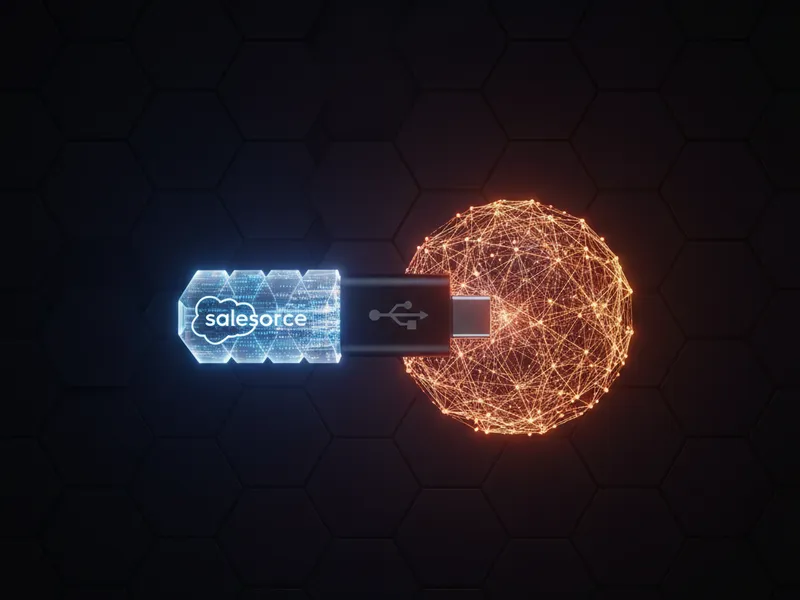
I like to think of the Model Context Protocol as the USB-C of the AI world. Remember when every phone had a different charger? That's exactly where we are with AI integrations today. One model uses one type of plugin, another uses a different API structure, and nothing talks to each other. By using a standard interface, an MCP Server acts as the bridge. It handles the messy stuff like authentication and error handling so the AI doesn't have to worry about it.
One thing that trips people up is thinking this is just another API. It's not. It's a way to describe what a tool can do so the AI can figure out how to use it on the fly.
How the Model Context Protocol helps Salesforce teams
For those of us working in the Salesforce ecosystem, this is a huge deal. We're already seeing a shift toward autonomous agents with things like Agentforce RAG grounding. But what happens when your agent needs to reach outside of Salesforce to a legacy SQL database or a proprietary document store? That's where the Model Context Protocol shines.
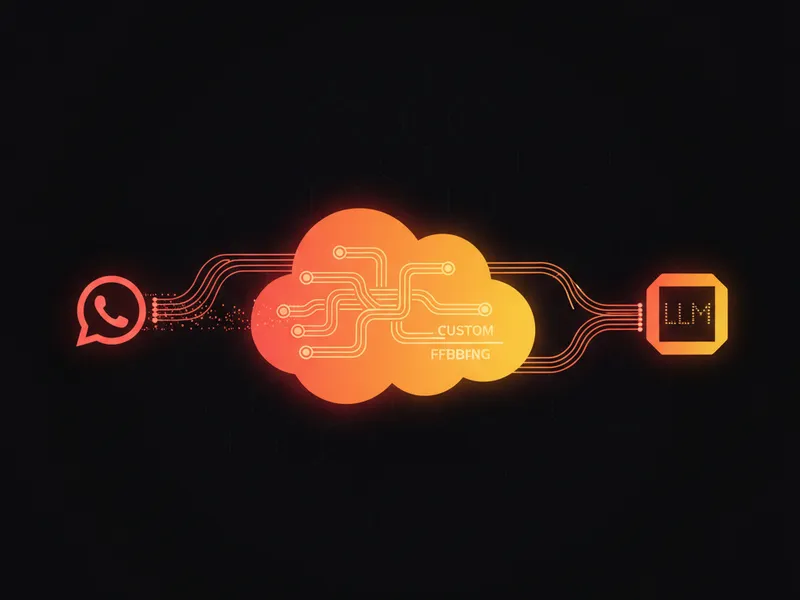
Instead of writing complex middleware, you can use an MCP server to expose those external systems to your AI. Honestly, most teams get this wrong by trying to sync all that data into Salesforce first. But with this protocol, you don't always have to move the data. You just give the AI a secure way to go get it when it needs it. This is probably the most overlooked feature of the whole specification.
If you're already dealing with Einstein Copilot gotchas, you know that getting the right context is everything. This protocol makes that context much easier to fetch.
Key benefits of this approach
- Less Code - You don't need to build a new plugin for every single app in your stack.
- Better Security - You get centralized control over what the AI is allowed to do.
- Faster Deployment - You can swap out tools or services without rebuilding your entire AI workflow.
- Chained Tasks - You can ask the AI to find a file, summarize it, and email it in one go.
Key Takeaways
- The Model Context Protocol is an open standard that connects LLMs to external tools like Slack, Google Drive, and databases.
- It acts as a universal translator, so you don't have to build custom connectors for every app.
- For Salesforce pros, it means easier integration between AI agents and non-Salesforce data sources.
- Security is handled at the server level, giving admins better control over AI actions.
Getting started with the protocol
So how do you actually use this? If you're building your own assistant or evaluating an AI platform, check if they support the Model Context Protocol. You'll want to start by running an MCP Server for the tools your team uses most. Give it scoped permissions-don't just give it the keys to the kingdom-and let the LLM start acting on behalf of your users.
The short answer? This is a massive step toward making AI a functional part of the team rather than just a fancy search bar. It's about moving from "What can you tell me?" to "What can you do for me?" and that's a transition we should all be excited about. Stop building one-off connectors and start looking at how a standard protocol can save you a lot of headache in the long run.


Leave a Comment