
Implementing Agentforce RAG Grounding is the most effective way to ensure your AI agents provide accurate, company-specific answers instead of generic hallucinations. By connecting Data Cloud to Einstein Studio, developers can build a seamless pipeline that retrieves exact knowledge chunks to inform Large Language Model (LLM) responses.
To truly understand the underlying architecture of these systems, it is helpful to first explore what is RAG in Salesforce and how it transforms unstructured data into actionable intelligence. This guide provides a technical deep dive into building custom retrievers that power these intelligent interactions.
The Strategic Importance of Agentforce RAG Grounding
Standard AI responses often lack the specific context required for enterprise customer service. By utilizing Agentforce RAG Grounding, you move beyond basic chat and into the realm of "grounded" intelligence, where every answer is backed by your internal Data Cloud records.
Custom retrievers offer a level of precision that standard search tools cannot match. They allow you to filter specific Data Model Objects (DMOs) and target only the most relevant fields, such as web-crawled FAQ content or internal documentation.
"A custom retriever acts as the bridge between your unstructured data and the LLM, ensuring the agent only 'reads' what is relevant to the specific user query, significantly reducing the risk of misinformation."
Building Custom Retrievers in Einstein Studio
The foundation of any grounded agent starts in Einstein Studio. Here, you define the "Search Index" that the AI will use to find relevant information during a conversation.
Step-by-Step Retriever Configuration
- Open Data Cloud and navigate to Einstein Studio.
- Select the Retrievers tab and click New Retriever, then choose Individual Retriever.
- Select Search Index as your source to target web-crawled data or vectorized knowledge articles.
- Map your return fields: ensure Chunk__c is selected as it contains the primary text for the LLM.
- Include metadata like SourceRecordId__c to allow the agent to provide citations for its answers.
Once you save and activate the retriever, it becomes a reusable resource across the Salesforce ecosystem. This modularity is a key benefit of the Salesforce AI architecture.
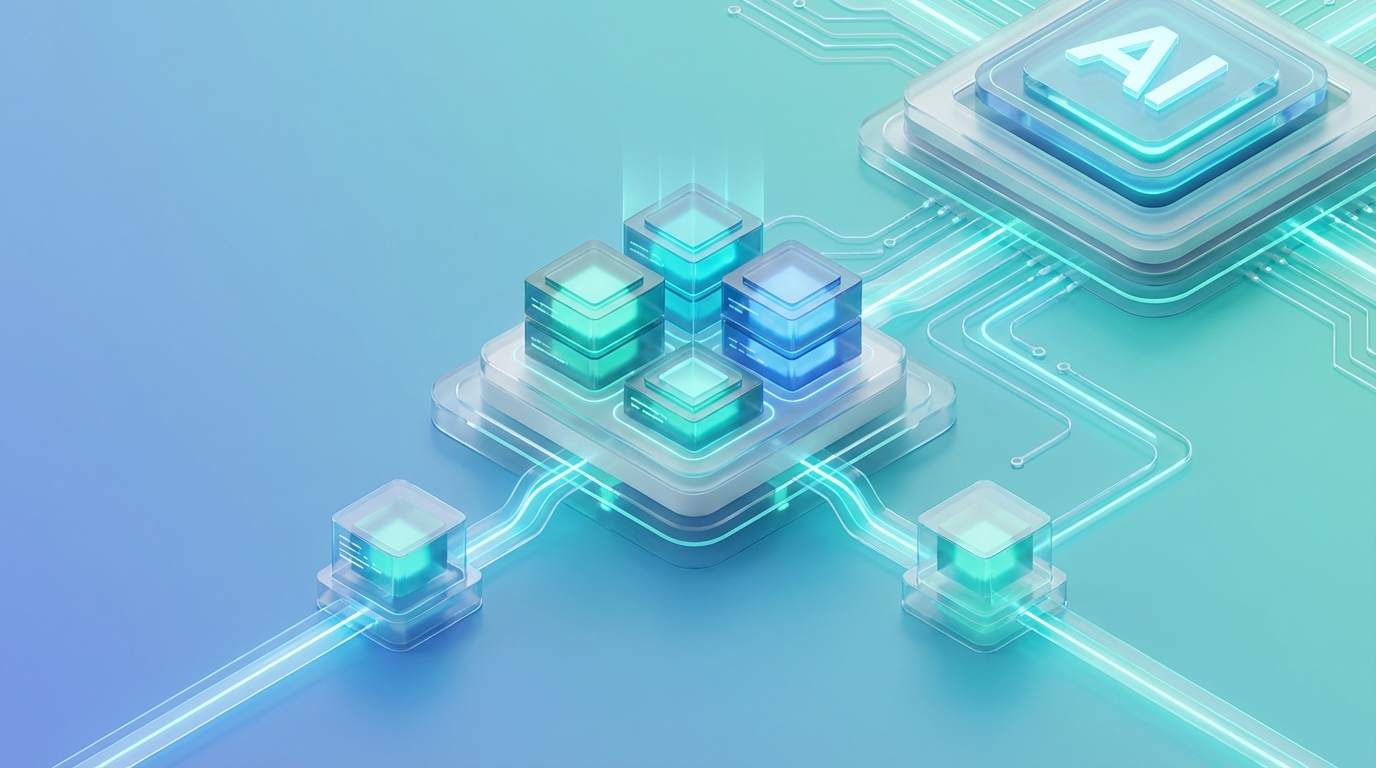
An isometric 3D illustration of modular digital components and data nodes connecting to a central AI framework in shades of teal and blue.
How to Configure Agentforce RAG Grounding with Custom Retrievers
After creating the retriever, you must validate its performance within Prompt Builder. This step ensures that the Agentforce RAG Grounding process is pulling the correct data before you expose it to customers.
Testing in Prompt Builder
- Navigate to Prompt Builder and create a new template using the Answer Questions with Knowledge type.
- In the configuration panel, swap the default dynamic retriever for your newly created Custom Retriever.
- Set the input text to Free Text and enter a sample customer query to see what the retriever returns.
- Review the Chunk__c output to ensure the text is clean, relevant, and properly formatted for the LLM.
Testing at this stage allows you to iterate quickly. If the results are too broad, you can return to Einstein Studio to adjust your search index filters or limit the result count to provide more concise context.
Deploying to the Agentforce Service Agent
The final stage involves connecting your validated prompt and retriever to a live agent. This is where the Agentforce RAG Grounding comes to life, providing real-time support to your users.
Within the Agentforce Setup menu, create a new Service Agent. You will need to define the "Topics" the agent is responsible for, such as "Product Support" or "Billing Inquiries." Under the Data Library section, link your custom retriever to the agent's knowledge base.
This setup allows the agent to dynamically query Data Cloud whenever a user asks a question related to that topic. For those looking for inspiration, there are many Agentforce use cases for developers that demonstrate how this technology can be applied to complex business workflows.
Best Practices for RAG Implementations
To maintain a high-performing AI agent, consider the following technical recommendations:
- Minimize Noise: Only return the fields the LLM absolutely needs to answer the question to save on token costs and improve speed.
- Use Citations: Always include source IDs so the agent can point users to the original documentation for further reading.
- Monitor Limits: Keep an eye on Data Cloud retriever limits to ensure your search queries remain performant during peak traffic.
- Iterative Testing: Regularly update your search index as your company's FAQ content evolves to prevent stale answers.
Key Takeaways
- Agentforce RAG Grounding connects LLMs to real-time Data Cloud information for accurate responses.
- Custom retrievers in Einstein Studio provide granular control over which data chunks are sent to the AI.
- Prompt Builder serves as the essential testing ground for validating retrieval logic before deployment.
- A well-configured Service Agent uses Data Libraries to bridge the gap between customer queries and company knowledge.
Conclusion
Mastering the connection between Data Cloud and Agentforce is a critical skill for the modern Salesforce professional. By implementing a robust Agentforce RAG Grounding strategy, you can build AI agents that are not only conversational but also deeply knowledgeable and trustworthy.
Ready to take your AI skills to the next level? Start by building your first custom retriever today and see how grounded data can transform your customer service experience. For more technical guides and Salesforce updates, subscribe to our newsletter and stay ahead of the AI revolution.



Leave a Comment