

TrailblazerDX 2026: essential technical sessions for developers, architects, and advanced admins
TrailblazerDX (TDX) 2026 runs April 15-16, 2026, with hundreds of sessions aimed at technical practitioners. Before you start building an agenda, here is the shortlist I would hold onto if you write code, own the architecture, or run the platform. It skews toward core development, automation extensibility, and modern deployment pipelines.
Top sessions for Salesforce developers
Developers should prioritize the sessions on AI engineering shifts, where LWC is going, and platform tooling.
Adapt to the 5 Engineering Shifts AI Demands
AI-assisted coding tools are everywhere now, and this session covers the architectural and process changes that forces on the platform engineering lifecycle. Expect a view on holding onto decision integrity and system ownership once delivery speeds up.
Evolve Vibe Coding into Agentic Engineering with SLDS 2
The jump from AI-assisted component scaffolding, the "vibe coding" stage, to enterprise-grade Lightning Web Components. Context engineering, SLDS 2 specifications, and agent skills are the topics, all pointed at enforcing design consistency while still shipping usable UI faster.
Get Clarity On Your Flows: From Planning To Production
Flow usage keeps scaling, and end-to-end visibility gets harder with it. This one is about the tooling and the method that carry clarity and governance past the Flow Builder canvas: planning, deployment integrity, and monitoring issues in production.
Optimize Release Management with DevOps Center
Prescriptive guidance on configuring DevOps Center for continuous integration and continuous delivery (CI/CD). Reported adoption of DevOps Center is low, which makes this one worth a slot if release quality and velocity are sore points on your team.
TDX Hackathon Showdown
Watch the finalists build on Agentforce APIs and architecture. It is a practical demonstration of the use cases and application patterns emerging in the Agentic Enterprise space.
Meet the Developers (and Product Managers)
The annual Q&A, where you put questions directly to Salesforce engineers and Product Owners about the platform core: Salesforce DX, the Apex execution model, APIs, and integration frameworks.
The preview sessions on Agentforce Grid, Agentic Apps, DevOps Center, and Flow Management are also worth booking if you want the deeper technical detail.
Top sessions for Salesforce architects
Architects should look at multi-agent orchestration, platform extensibility patterns, and where the governance frameworks are heading next.
A Blueprint for Single-Org, Multi-Agent Orchestration
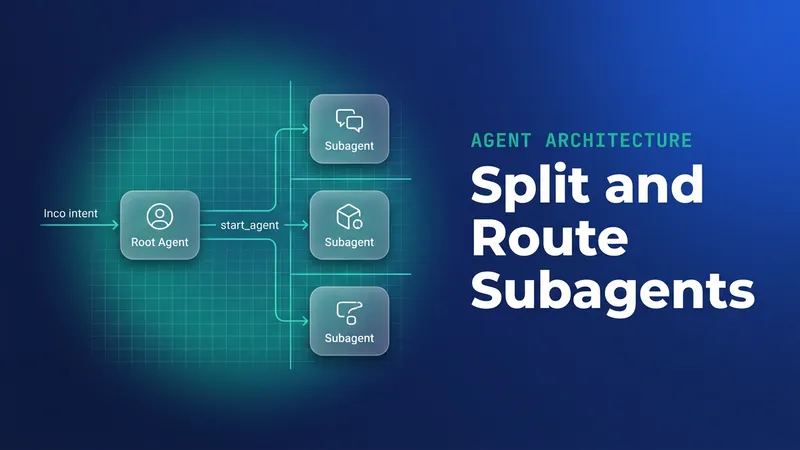
Architectural patterns for designing Scalable, Single-Org, Multi-Agent (SOMA) solutions: defining clear agent hand-off protocols, managing context sharing between autonomous processes, and applying Well-Architected principles to Agentforce orchestration so it scales.
Extend your Salesforce Flows with MuleSoft
If you drive a complex integration strategy, this covers consuming external APIs natively inside Salesforce Flow through the Anypoint Platform. It sidesteps the traditional middleware bottleneck and gets at the data directly.
// Conceptual Example: Flow calling external service exposed via MuleSoft
ExternalService.callMuleSoftAPI(inputParams);
Get Started with Informatica
Integration patterns and governance models for Informatica Intelligent Data Management Cloud (IDMC) when it handles enterprise data integration, MDM, and governance inside a hybrid Salesforce ecosystem.
Lead in the Agentic Enterprise as a Technical Strategist
Consultative architecture: frameworks for lining technical roadmaps up with the business drivers behind them during an Agentic transformation. Heavy on user-centric solution design and on scaling your architectural influence across a large organization.
The Next Chapter of the Well-Architected Framework
An early look at where the Well-Architected Framework goes next. The core principles under the pillars are being updated to guide trusted architecture for the Agentic Enterprise, and architects need to understand how.
Relevant sessions for advanced admins/automation specialists
If you own automation governance or data strategy, review these three.
10 Tips for Implementing Data 360 Successfully
Practical implementation guidance for Data 360, with the weight on performance tuning, security considerations, and the scalability pitfalls people hit most often. Foundational if you are supporting AI initiatives on top of it.
Enable Human and Agent teamwork with Slack and Agentforce
Architectural patterns for approval loops and exception handling that bridge Agentforce processes and human intervention through Slack, with governance and data security compliance held intact across the handoffs.
True to the Core TDX 2026
The unscripted feedback session with platform leadership, and your best shot at influencing roadmap decisions, raising current platform limitations, and hearing how upcoming features are being prioritized off community feedback (IdeaExchange).
Key takeaways
The technical track at TDX 2026 leans heavily toward Agentforce integration, the maturing Flow ecosystem, and modern DevOps tooling like DevOps Center. Architects should spend their time on multi-agent orchestration patterns and framework evolution. Developers should spend theirs on adapting engineering practice to use AI assistance responsibly, with standards like SLDS 2 carrying part of that load.
Leave a Comment