
Every article
Page 9 of 39 · 464 articles
 Integration
Salesforce APIs: Complete Guide to REST, SOAP, Bulk, Tooling & Streaming
Salesforce ships nine different APIs for nine different jobs. This pillar maps each API to its right use case: REST for...
 Flow
FlowSalesforce Flow: The Complete Guide to Declarative Automation
Salesforce Flow has replaced Workflow Rules and Process Builder. This pillar covers the four flow types, when to use...
 Apex
ApexApex: The Complete Guide to Salesforce's Programming Language
Apex is Salesforce's strongly-typed, server-side language. This pillar covers data types, triggers, async patterns,...
 Apex
ApexSOQL: The Complete Guide to Salesforce Object Query Language
SOQL is the SQL-flavored query language Salesforce ships for reading data. This pillar page covers every operator,...
 Agentforce & AI
Agentforce Service Agent: What It Is, How to Set It Up, and Limits
Salesforce Agentforce Service Agent answers customer questions autonomously. Here's what it can and can't do, the...
 Apex
ApexApex String Class: 30 Methods Salesforce Developers Use Daily
Every Apex String method that matters in real code: split, join, contains, trim, escape, format, and the ones that...
 DevOps
Salesforce UAT: Sandbox Setup, Testing Process & Sign-Off Checklist
User Acceptance Testing in Salesforce: which sandbox to use, how to write test scripts, who signs off, and the...
 Apex
ApexTypes of Apex Triggers in Salesforce: Before, After & 7 Trigger Events
Apex triggers come in two timing variants (before and after) and seven event types. Knowing which to use prevents...
 Admin
AdminSalesforce Validation Rules: 12 Examples & Best Practices
Twelve copy-paste Salesforce validation rules covering required-field logic, regex patterns, role-based exceptions,...
 Admin
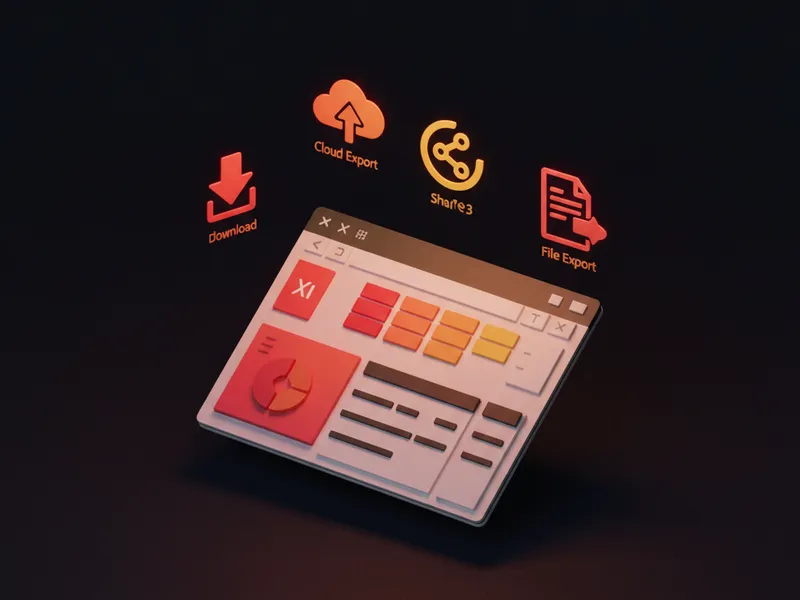
AdminHow to Export a Salesforce Report to Excel: 4 Methods Compared
Four ways to get a Salesforce report into Excel: Lightning Export, Printable View, scheduled email subscription, and...
 Apex
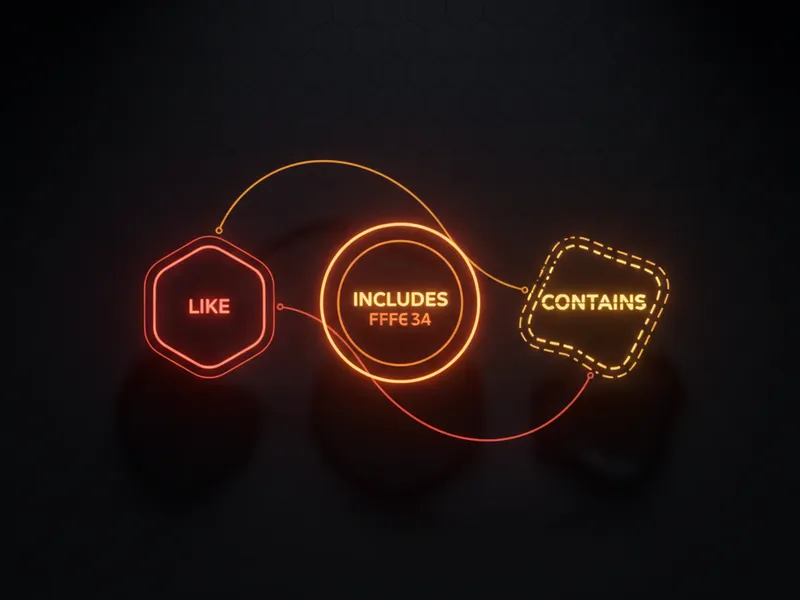
ApexSOQL CONTAINS vs LIKE vs INCLUDES: When to Use Each Operator
SOQL has no CONTAINS keyword. Most queries reaching for one want LIKE with wildcards, or INCLUDES for a multi-select...
 Apex
ApexSOQL NOT IN, NOT EQUAL & NOT LIKE: Exclusion Patterns Explained
Three ways to exclude records in SOQL: NOT IN with subqueries, != / <> for direct comparison, and NOT LIKE for pattern...